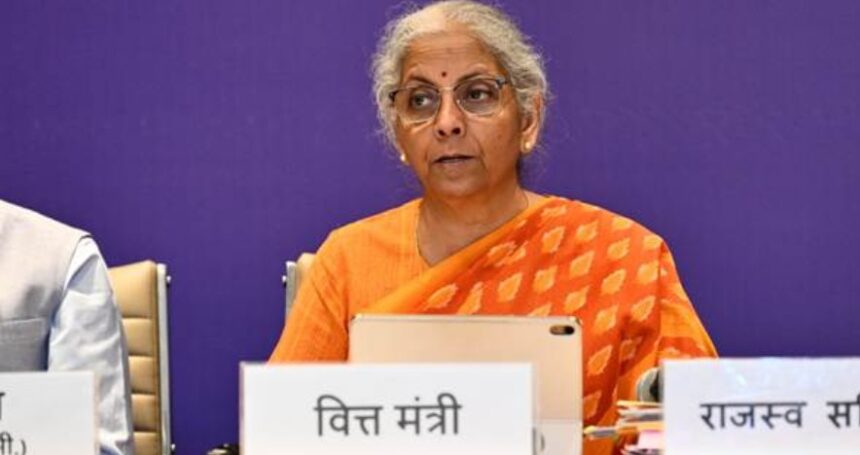
October 9, 2026: The 57th Meeting of the Goods and Services Tax Council (GST Council) concluded in New Delhi under the chairpersonship of Union Finance and Corporate Affairs Minister Nirmala Sitharaman. Building on the tax rate rationalization introduced in the 56th session, the Council focused on comprehensive procedural reforms across registration, return filing, dispute resolution, refunds, and Input Tax Credit mechanisms.
In a fundamental shift toward taxpayer protection and administrative ease, the Council recommended the total removal of arrest powers under Section 69 of the Central Goods and Services Tax Act. Criminal prosecution thresholds were increased fivefold from 1 crore rupees to 5 crore rupees. The general penalty prescribed under Section 125 was reduced from 25,000 rupees to 10,000 rupees.
A statutory minimum monetary limit of 10,000 rupees was recommended for the issuance of show cause notices, ensuring that low value disputes do not trigger formal legal proceedings. Pre-deposit requirements for appealing orders that involve only penalties were capped at 40 crore rupees.
Registration procedures are set to become faster through system automation. The Council recommended automatic system processing for registration amendments outside the principal place of business, along with streamlined cancellation and revocation workflows.
Prosecution Threshold Raised 5x to 5 Crore Under GST
To assist small sellers operating on Electronic Commerce Operator platforms across state borders without physical offices, the Council approved Rule 14B. This rule permits small vendors passing on Input Tax Credit up to 2.5 lakh rupees per month to register by declaring an e-commerce warehouse as their principal place of business.
For refund processing, the GST Council approved fully automated, system-based sanctioning for excess cash ledger balances without manual officer intervention. The timeframe for issuing refund acknowledgments or deficiency memos was cut from 15 days to 10 days. Provisional refunds of 90 percent for zero rated supplies and inverted duty structures will also be sanctioned automatically based on system risk evaluations.
The Council addressed Input Tax Credit restrictions under Section 17, expanding credit eligibility to cover outdoor catering, life and health insurance, telecommunication towers, and pipelines laid outside factory premises. Refund of accumulated credit on capital goods and input services was expanded under inverted duty structures and zero rated supplies, with capital goods credits phased over 60 months starting April 2027.
Transit checks and transit interceptions were restricted to prevent unnecessary delays. Interceptions during transit can only be conducted based on specific intelligence with written authorization from a Joint Commissioner or higher officer. Routine inspections will be restricted to the originating or receiving states.
The GST Council introduced an optional Annual Return Quarterly Payment scheme for small consumer facing businesses with an annual turnover up to 5 crore rupees. Late fees were waived for delayed monthly return filings by taxpayers with turnover up to 5 crore rupees, provided the return is submitted by the end of the due month.
Rate clarifications and adjustments included bringing plastic, electrical, electronic, and tire waste under the Reverse Charge Mechanism when purchased from unregistered entities, along with a 2 percent Tax Deducted at Source on business to business waste transactions.
A 5 percent tax rate without Input Tax Credit was extended to electric vehicles used for passenger transport and delivery services operating through e-commerce operators. Helicopter passenger transport on a seat sharing basis in northeastern states, Sikkim, and Bagdogra was granted full exemption from tax.