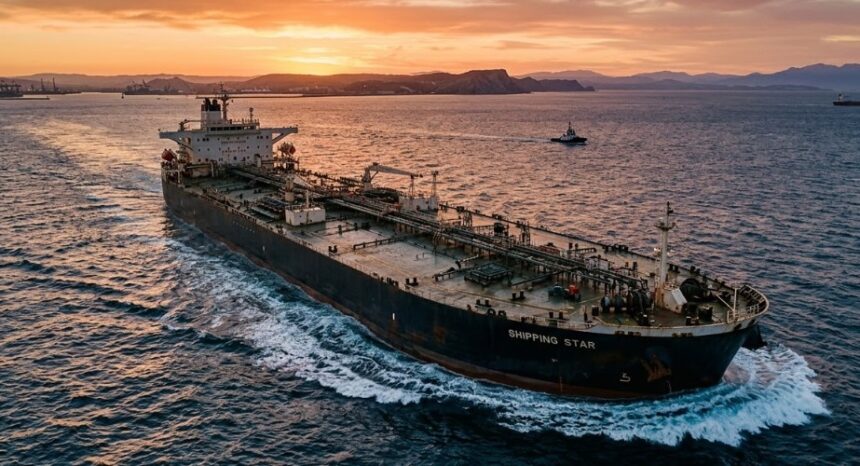
Saturday, March 21, 2026: NEW DELHI: In a dramatic pivot that could redraw the map of global energy logistics, Indian refiners are preparing to end a years-long hiatus and resume the intake of Iranian crude oil. The move follows a startling policy reversal from Washington, where US Treasury Secretary Scott Bessent has temporarily dialed back sanctions to prevent a global energy “meltdown.”
While the Middle East remains a powderkeg, with Tehran threatening to choke the Strait of Hormuz, the world’s most vital maritime artery, India finds itself in a familiar yet advantageous position: the primary beneficiary of a geopolitical “cooling” strategy.
The global oil market has spent the week flirting with the $100-per-barrel threshold, fueled by fears that 20% of the world’s oil supply could be trapped behind an Iranian blockade. To counter this, the US Treasury has greenlit the sale of Iranian oil currently “stranded” at sea.
This isn’t just a policy shift; it’s a tactical retreat by Washington to stabilize the pumps at home and abroad. By allowing Asian giants like India to absorb this “floating” crude, the US hopes to deflate the price bubble caused by Tehran’s maritime brinkmanship.
Washington’s $100-Barrel Headache: The Iranian Crude Waiver Explained
Industry sources indicate that at least three major Indian refining powerhouses are already auditing their payment mechanisms, waiting for the green light from the Ministry of External Affairs. Historically, Iranian light and heavy grades are the “comfort food” of Indian refineries, highly compatible and requiring minimal technical adjustments.
However, the path to the pump isn’t without its hurdles. In a move described by analysts as “diplomatic hardball,” the Iranian consulate in Mumbai recently issued a jarring contradiction to the US narrative:
“At present, Iran essentially has no floating crude or surplus available for international markets. The US remarks appear aimed solely at managing market sentiment.”
By denying the existence of surplus oil, Tehran appears to be attempting to keep prices high and maintain its leverage over the Strait, even as its shadow fleet potentially prepares for legal docking.
India’s energy strategy has become a masterclass in opportunistic neutrality. In just one week, New Delhi snapped up 30 million barrels of Russian oil following a similar US waiver. Bloomberg reports that seven tankers originally destined for China have already pulled a U-turn in the Indian Ocean, redirected toward Indian ports.
If the Iranian deal solidifies, India will have successfully secured its energy floor by leveraging the two most sanctioned players in the global market. For a nation that imports 90% of its oil, this “round-robin” of sanctioned crude isn’t just about economics, it’s about national survival.