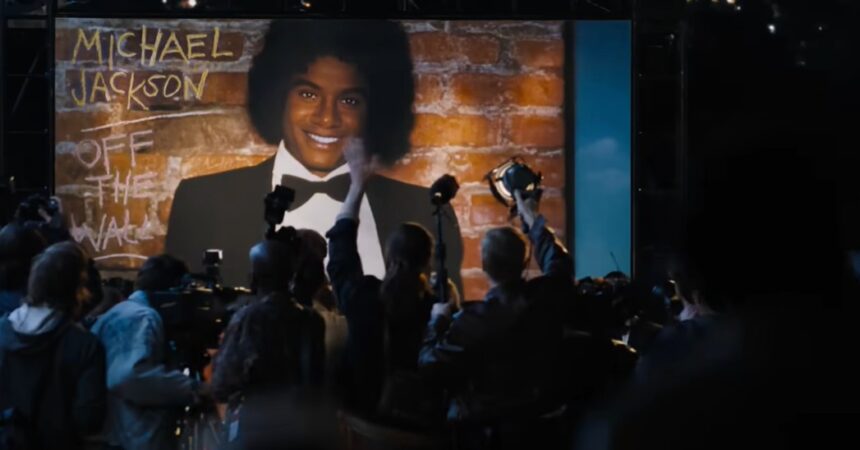
Monday, April 27, 2026: the new musical film Michael about the legendary Michael Jackson has set a new benchmark in the world of biopics. Since its debut on Wednesday, the movie has raked in an astonishing $217 million (£160 million) globally, marking the biggest opening weekend ever for a musical biopic. This seismic success underscores the enduring fascination with Jackson’s life and music, even amid ongoing controversies.
The film’s debut surpasses previous records held by hits like Bohemian Rhapsody which opened with $124 million in 2018 and even Oppenheimer, which grossed over $180 million in its opening weekend. This surge highlights a growing appetite for biographical stories centered around iconic musicians, suggesting that audiences are eager to connect with larger-than-life figures through cinematic retellings.
Michael features Jackson’s nephew, Jaafar Jackson, in the titular role, bringing authenticity and a familial connection to the story. The production is backed by Jackson’s estate and heavily relies on the singer’s original vocals, creating an immersive experience that resonates emotionally with viewers.
Audience Reception vs. Critical Response
While the commercial numbers are impressive, critical reception has been mixed. Rotten Tomatoes reports a stark contrast: critics have given the film an average score of 38%, citing concerns over a sanitized portrayal of Jackson’s complex life. Conversely, audiences have embraced the film wholeheartedly, awarding it a soaring 97% rating, indicating a disconnect between critic and viewer perceptions.
The King of Pop Michael Returns to Box Office Domination
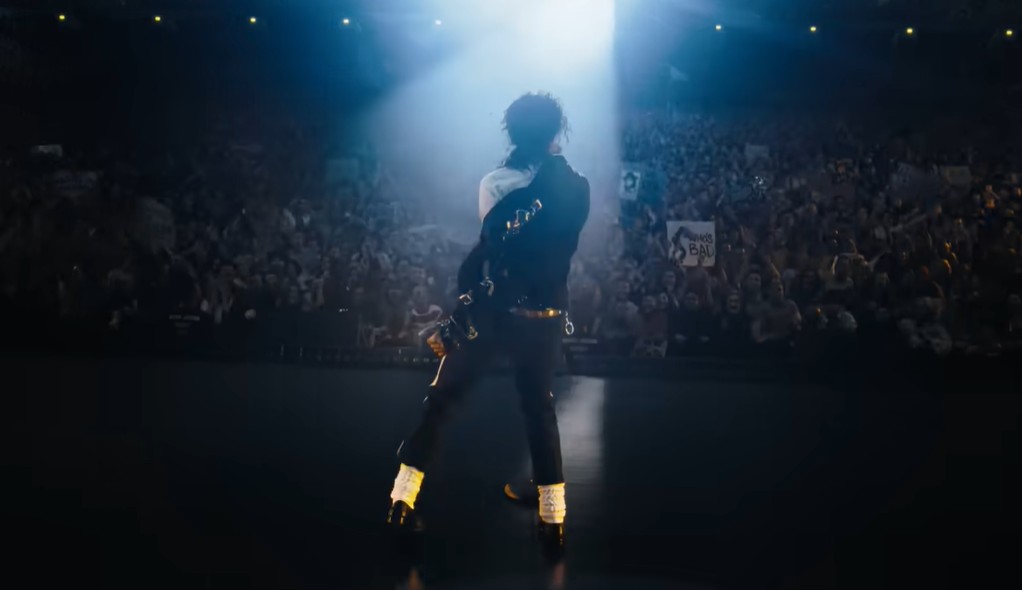
This divide raises questions about the role of biopics: Should they prioritize entertainment and fan service, or delve into the more contentious aspects of their subjects’ lives? Michael clearly leans toward the former, focusing on Jackson’s musical genius and personal relationships, notably his strained bond with father Joseph, played by Colman Domingo.
The film’s release occurs amidst ongoing debates about Jackson’s legacy, particularly surrounding allegations of child sexual abuse. Notably, the movie omits references to these accusations, which have long been a part of public discourse. The decision stems from legal constraints; Jackson’s estate settled a lawsuit with one of his accusers under non-disclosure agreements, which prevented filmmakers from including certain content.
Director Antoine Fuqua revealed that rediscovering a non-disclosure agreement prompted a significant rewrite, moving the timeline to conclude before the allegations surfaced. “We had to rethink everything,” Fuqua explained, emphasizing that the focus shifted entirely onto Jackson’s musical achievements and personal struggles.
With an estimated production budget of around $200 million (£148 million), Michael ranks among the most expensive biopics ever made. Its commercial success demonstrates the high stakes involved in portraying such a legendary figure, especially when balancing artistic integrity with legal and ethical considerations.
The film’s release coincides with a resurgence in theatrical audiences, following recent hits like The Super Mario Galaxy Movie and Project Hail Mary. Upcoming blockbusters, including The Devil Wears Prada 2, are expected to continue this upward trajectory.
Michael’s box office triumph exemplifies the lasting allure of Jackson’s music and persona, while also spotlighting the complex challenges of depicting a controversial icon. As the film continues its global rollout, it prompts important conversations about legacy, censorship, and the power of music to unite and divide.