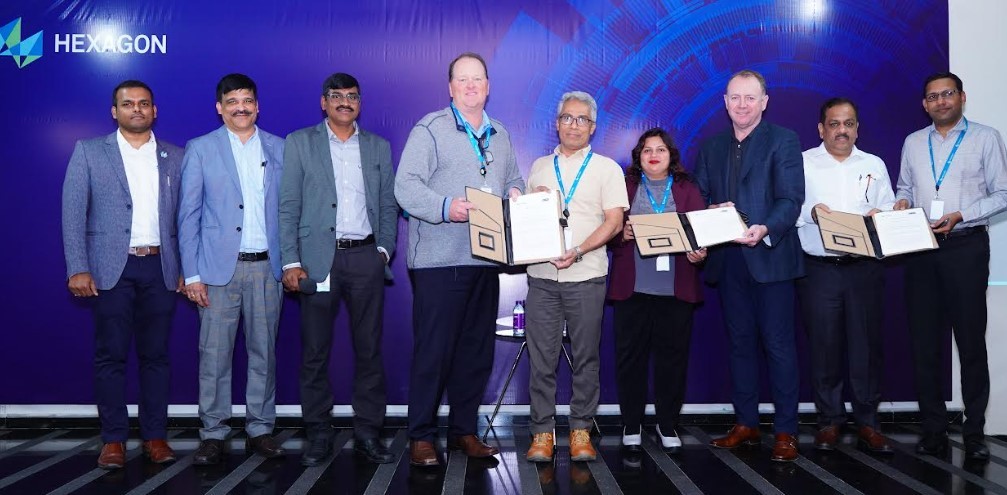
Hyderabad, October 28, 2026: As regenerative medicine moves towards more targeted approaches to tissue repair, a partnership between Pandorum Technologies and Bharat Biotech arm Nucelion Therapeutics is focusing on a critical part of the development process: translating designer-exosome research into reproducible manufacturing.
The two Indian biotechnology companies have joined forces to advance two investigational ophthalmology programmes supported by grants under the Government of India’s Promotion of Research and Innovation in Pharma-MedTech Sector (PRIP) scheme. The programmes target advanced keratopathy, a group of severe corneal disorders, and wet age-related macular degeneration (wet AMD), a progressive retinal disease that can cause significant vision loss.
The projects have a combined planned outlay of ₹16.97 crore, including up to ₹8 crore in PRIP funding.
Nucelion and Pandorum’s PRIP-Backed Projects Advance Designer-Exosome Research for Eye Disease
Exosomes are small, membrane-bound extracellular vesicles involved in communication between cells. Researchers are exploring their potential to deliver biological signals that influence inflammation, fibrosis and tissue repair.
Pandorum is developing designer exosomes as part of its cell-free regenerative medicine platform. The approach aims to tune biological activity towards specific disease processes, with the goal of supporting tissue repair and restoring function.
However, translating an experimental biological platform into a potential therapy requires more than demonstrating activity in laboratory studies. Processes must be developed to produce consistent material, analytical methods must characterise the product, and manufacturing controls must evolve in line with each programme’s development stage.
This is where Nucelion Therapeutics will contribute. The company, a wholly owned subsidiary of Bharat Biotech, will support process development and manufacturing for Pandorum’s two designer-exosome programmes.
The collaboration highlights an increasingly important consideration in advanced therapeutics: manufacturing capability must develop alongside the underlying science, rather than being addressed only after a candidate shows promise.
Although both programmes use Pandorum’s designer-exosome approach, they address different biological challenges.
The advanced-keratopathy programme is directed towards clinical evaluation of investigational therapies for severe corneal disease. The wet-AMD programme focuses on retinal disease and is currently in preclinical development, with preparation for subsequent clinical translation.
The programmes will progress independently, according to their respective evidence, milestones and regulatory requirements. Their shared platform may offer opportunities to build manufacturing and analytical capabilities across projects, while maintaining the disease-specific evaluation each candidate requires.
The PRIP scheme provides a public funding framework for research and innovation in the pharmaceutical and medical technology sectors. Support for these two projects brings together publicly backed research and specialised manufacturing capabilities within India’s biotechnology ecosystem.
For Nucelion, the partnership centres on process development and development-stage manufacturing. The broader collaboration is intended to support the supply of material manufactured under Good Manufacturing Practice (GMP) for clinical studies in India and overseas, subject to applicable regulatory approvals.
Dr. Raghu Malapaka, Chief Business Officer at Nucelion Therapeutics, said the collaboration would bring product requirements, process development, analytical methods and manufacturing discipline together as the programmes advance.
Dr. Tuhin Bhowmick, Co-founder and CEO of Pandorum Technologies, said PRIP support would enable the company to advance two distinct ophthalmology programmes through its designer-exosome platform, with Nucelion contributing manufacturing capabilities needed for further development.
The partnership reflects a broader challenge for regenerative medicine: turning promising biological concepts into well-characterised, reproducibly manufactured investigational products.
For designer-exosome therapies, progress will depend on demonstrating appropriate biological activity, establishing reliable manufacturing processes and generating the evidence required at each development stage.
The two ophthalmology programmes will need to meet their own scientific and regulatory milestones before any potential therapies can be evaluated for wider clinical use. Their progress will also help illustrate how research funding and specialised manufacturing partnerships can contribute to the development of emerging biotechnology platforms in India.