thenewsfacts.com
  • Home
  • Latest News
  • Trending News
  • Technology
  • entertainment
  • Sports
  • Business
thenewsfacts.comthenewsfacts.com
Font ResizerAa
Search
  • Home
  • Latest News
  • Trending News
  • Technology
  • entertainment
  • Sports
  • Business
Follow US
© thenewsfacts : All Rights Reserved.

Home » High Protein Diets May Increase Heart Attack Risk, Study Finds

Health

High Protein Diets May Increase Heart Attack Risk, Study Finds

SK Panicker
Last updated: February 20, 2024 10:44 am
SK Panicker
Share
High Protein Risk
High Protein Diets May Increase Heart Attack Risk, Study Finds
SHARE

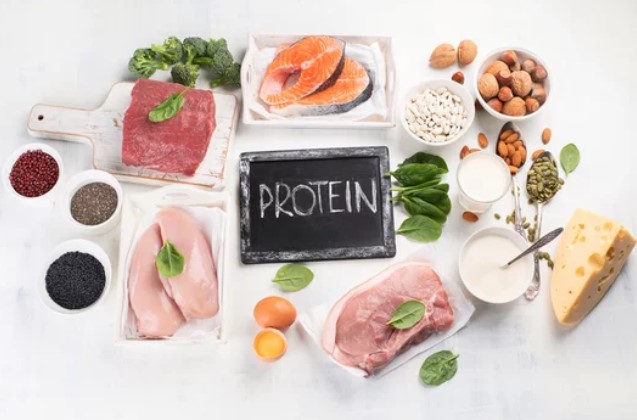
Feb 20: A recent report published in Nature has shed light on the potential risks associated with high protein intake, particularly in relation to cardiovascular health. While high protein consumption is often touted as a key component of a healthy lifestyle in western societies, the study’s findings suggest a more nuanced understanding of its impact.

The research, which involved a series of clinical studies on both male and female participants, focused on the role of amino acid-mediated mammalian target of rapamycin (mTOR) signaling in macrophages in the pathogenesis of ischaemic cardiovascular disease. The studies, registered under NCT03946774 and NCT03994367, incorporated varying levels of protein ingestion, detailed plasma amino acid analysis, and human monocyte/macrophage experiments.

One of the pivotal discoveries of the study was the identification of leucine as the primary activator of mTOR signaling in macrophages. The research revealed a threshold effect, indicating that high protein intake and circulating leucine levels above a certain point could trigger mTOR activation and functional effects in monocytes/macrophages. Specifically, the data suggested that only protein intake exceeding approximately 25 grams per meal induces mTOR activation and its associated effects.

Impact of High Protein Intake

Furthermore, the study delved into the impact of high protein intake on atherosclerosis in male mice. By designing specific diets that mirrored the protein and leucine content typically found in the general population, the researchers were able to confirm the threshold effect observed in human studies. The findings indicated that protein ingestion surpassing around 22% of dietary energy requirements could contribute to the development of atherosclerosis in male mice.
These results provide a mechanistic basis for understanding the potential adverse effects of excessive dietary protein on cardiovascular risk. The study’s implications may prompt a reevaluation of dietary recommendations related to protein intake, particularly in the context of cardiovascular health.

The research not only highlights the need for a more nuanced approach to understanding the impact of high protein consumption but also underscores the importance of considering individualized dietary requirements. As discussions surrounding nutrition and health continue to evolve, these findings contribute valuable insights that could inform future dietary guidelines and public health initiatives.

The research was led by Dr. Zhang and colleagues investigated the relationship between protein consumption, circulating leucine levels, and cardiovascular outcomes in two clinical trials—NCT03946774 and NCT03994367—that included graded amounts of protein and detailed plasma amino acid analyses.

TAGGED:atherosclerosiscardiovascular riskclinical trialsdietary guidelinesheart diseasehigh protein intakeleucinemacrophagesmolecular mechanismsmTOR signalingnutrition researchpersonalized nutritionplasma amino acid analysispublic health
Share This Article
Email Copy Link Print
Previous Article Electric Car Batteries Future The Looming Challenge of Millions of Dead Electric Car Batteries
Next Article Wanindu Hasaranga Wanindu Hasaranga’s 100 Mark: Achieving Greatness One Wicket at a Time

Your Trusted Source for Accurate and Timely Updates!

We're committed to providing accurate and unbiased news as it unfolds, earning the trust of a large audience. Stay informed with our news updates on the latest events and trends, keeping you ahead of the curve.
FacebookLike
XFollow
InstagramFollow

Popular Posts

Prime Focus DNEG secures $250 Million from Novator

Prime Focus DNEG, a visual effects (VFX) and animation studio (Subsidiary of Prime Focus) for…

By
TheNewsFacts

OnePlus 10 Pro Specs Leaked Before Official Launch

OnePlus 10 Pro Specs have been leaked ahead of its January 4, debut date. The…

By
TheNewsFacts

England Wins Hyd Test by 28 Runs; India Hopes to Stage a Comeback

It came right down to the wire in Hyderabad but it was England who won…

By
TheNewsFacts

You Might Also Like

Covid-19 JN.!
COVID-19Health

JN.1, A New Subvariant of COVID-19 in Kerala: Health Ministry Vigilant

By
SK Panicker
Access to transparent clinical-trial data helps doctors make informed decisions - New Study
Health

Access to transparent clinical-trial data helps doctors make informed decisions – New Study

By
TheNewsFacts
tsunami of e-waste”, putting lives and health at risk
Health

WHO Warns Tsunami of e-waste”, putting lives of Children at risk

By
TheNewsFacts
New Omicron Caution raised by African Scientists
Health

New Omicron Caution raised by African Scientists

By
TheNewsFacts
thenewsfacts thenewsfacts

About US


TheNewsFacts: Brings you the interesting facts, news facts and updates from India an the world across politics, tech, entertainment, business, tending, and more. We deliver what you love to read.
Top Categories
  • Latest News
  • Trending News
  • Paris Olympics 2024
  • Sports
  • Entertainment
  • Business
  • Technology
Usefull Links
  • About The News Facts
  • Latest News
  • Privacy Policy
  • Editorial Policy
  • Disclaimer
  • Contact Us
Follow us
Facebook Twitter Instagram

© thenewsfacts. All Rights Reserved.

Welcome Back!

Sign in to your account

Username or Email Address
Password

Lost your password?