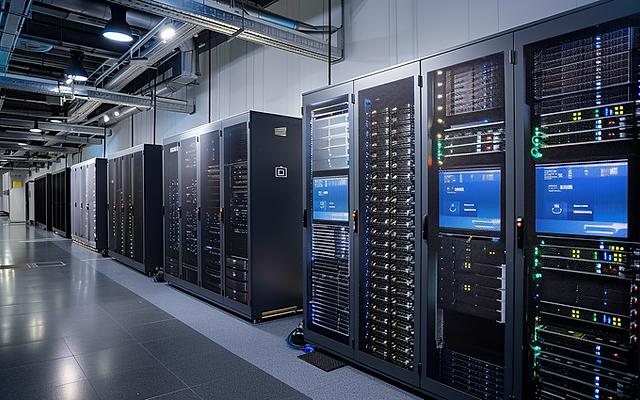
Tuesday, July 7, 2026: A new competition is taking shape in the compute credits ecosystem as leading AI companies and cloud providers offer startups millions of dollars worth of compute credits, infrastructure support, and access to advanced AI tools.
The move highlights a broader shift in the technology industry. As AI adoption expands across businesses, access to computing power is becoming a critical factor in determining how quickly companies can develop and scale new products.
For emerging companies, these incentives could reduce one of the biggest challenges in AI development, the high cost of running advanced models and managing large-scale computing requirements.
Developing AI-powered applications requires significant resources. From training models and processing data to running applications at scale, computing costs can quickly become one of the largest expenses for technology companies.
To encourage adoption, AI companies and cloud providers are offering a range of benefits, including token credits, cloud infrastructure support, early access to AI models, and technical assistance.
Some startups have reportedly received offers worth millions of dollars in combined cloud and AI credits. For smaller companies, these incentives can provide valuable support at a time when controlling operational costs remains a priority.
The development also reflects the growing importance of AI infrastructure in the technology value chain. Just as cloud computing became the foundation for many internet businesses, AI infrastructure is emerging as a key enabler for the next wave of digital innovation.
AI Compute Credits Fuel the Next Wave of Startup Innovation
OpenAI, Anthropic, and major cloud providers such as Google Cloud, Microsoft Azure, and Amazon Web Services are increasingly competing to attract businesses that are building AI-powered solutions.
The objective extends beyond providing short-term benefits. By helping companies build on their platforms, technology providers aim to create long-term relationships with businesses that may become major users of their services in the future.
The competition is particularly strong in areas such as AI agents, enterprise automation, software development tools, healthcare technology, and customer service platforms.
As more industries adopt AI, the companies that provide the underlying infrastructure are seeking to establish themselves as essential partners in this transformation.
While compute credits can accelerate innovation, businesses must also consider the long-term implications.
Companies using these benefits need to evaluate factors such as future costs, flexibility between technology platforms, data management, and dependence on specific providers.
For businesses, the challenge will be balancing speed with sustainability, using available resources to innovate while building technology strategies that remain viable as they grow.
The changing economics of innovation
The technology industry has repeatedly been reshaped by access to critical resources.
The internet created new digital businesses. Cloud computing reduced infrastructure barriers. Artificial intelligence is now creating a new layer of opportunity , where access to computing power can influence who gets to build and scale the next generation of technology solutions.
The AI race is no longer only about developing powerful models. It is also about enabling businesses to use those models effectively.
As competition among AI companies intensifies, the biggest impact may be felt by the startups and businesses gaining access to tools that were once available only to the world’s largest technology companies.
The next phase of AI innovation may be defined not only by who creates the technology, but by who gets the opportunity to build with it.