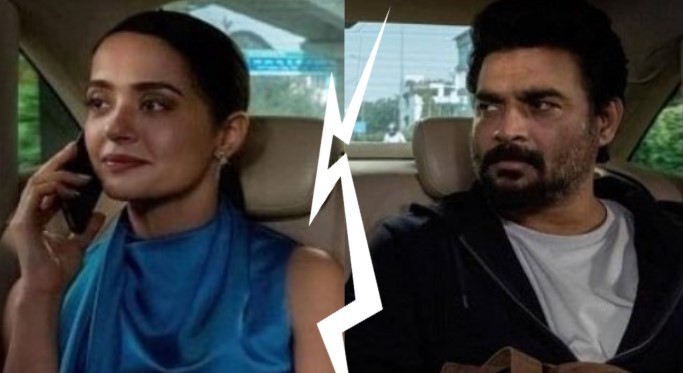
November 5, 2025: Haq Review: Suparn Verma’s Haq doesn’t arrive with fanfare, it unfolds like a quiet reckoning. Inspired by the Shah Bano case, the film doesn’t aim to dramatize history. Instead, it chooses intimacy over intensity, focusing on one woman’s journey through betrayal, faith, and the fight for justice.
Yami Gautam plays Shazia Bano, a woman whose life is upended not by a single event, but by a slow erosion of dignity. The film opens with her in black, dodging muck, both literal and symbolic. From there, we’re taken back to 1967 Uttar Pradesh, where her story begins. Verma’s direction is patient, allowing the audience to sit with Shazia’s reality before it begins to unravel.
What makes Haq stand apart is its refusal to sensationalize. Abbas Khan (Emraan Hashmi) isn’t a villain in the traditional sense. He’s familiar, entitled, manipulative, and quietly cruel. His misuse of religious law isn’t framed as an attack on faith, but as a distortion of it. The film doesn’t pit religion against secularism; it shows how both can be misused when power goes unchecked.
Haq Review in Short: A Story of Rights, Wrongs, and Resolve
The screenplay, penned by Reshu Nath, is rich in detail and restraint. Dialogues land with weight, especially when Shazia says, “Kabhi kabhi mohabbat kaafi nahi hoti, izzat bhi zaruri hoti hai.” It’s not just a line, it is the film’s spine.
Yami Gautam delivers a performance that’s all about control. Her portrayal is layered, never loud, always lived-in. Emraan Hashmi, too, is compelling in his quiet menace. Their courtroom scenes are tense, not because of theatrics, but because of emotional truth.
The film’s use of Urdu adds texture, though it may alienate some viewers unfamiliar with the language. Still, the emotional clarity of the performances bridges that gap.
Supporting actors like Sheeba Chaddha and Danish Hussain bring depth, while newcomer Vartika Singh holds her own. The music is subtle, serving the story rather than distracting from it.
Haq also touches on Section 125 of the CrPC, linking personal pain to legal reform. While the political aftermath of the Shah Bano case is briefly mentioned, the film stays focused on the human cost.
In a time when films often chase outrage, Haq chooses reflection. It’s not a film that demands attention, it earns it. And in doing so, it reminds us that justice isn’t just about law, it is about listening to those who’ve been silenced.